Why Real Estate Agents Need Digital Marketing
The way buyers and sellers find agents has completely changed. Nobody’s looking at newspaper ads or yard signs anymore. They’re searching online.
Most homebuyers start their search online. That’s just reality. And here’s the kicker: their first impression of you is digital. Before they ever meet you, they’re checking you out online. Your website, your social media, your reviews. That’s where you either win or lose them.
Digital marketing isn’t a competitive advantage for agents anymore. It’s required to stay in business. Agents who master online marketing beat those who just rely on traditional methods. It’s not even close.
How Real Estate Agents Generate Leads Online
Leads come from different channels targeting different people at different stages. Buyers search for homes. Sellers search for agents. Both are searching with purpose. Think about what your potential clients are actually doing. They’re searching “homes for sale in Denver” or “best real estate agent near me.” You need to appear at the top of those searches. Local SEO catches people with high intent right when they’re ready to act.
People search different ways. Homebuyers use Google Maps, neighborhood sites, and agent websites. Sellers search for “real estate agent near me” or “how to sell my house.” Each type of search needs its own approach. You can’t rely on one channel. You need to show up across multiple places simultaneously. They all work together to create one complete digital presence.
Local SEO Strategy for Real Estate
Local SEO gets you in front of people searching for homes or agents in your area. It’s one of the best marketing channels for agents and most agents barely invest in it.
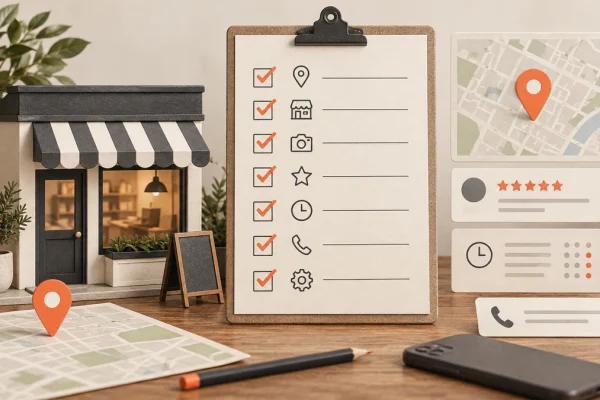
Your Google Business Profile needs to be complete and accurate. Add photos of your office, your team, listings. Update it regularly with posts about market trends, open houses, community involvement. Keep it active.
Build local citations too. Make sure your name, address, and phone number are identical on Zillow, Realtor.com, Yelp, and other directories. Consistency matters. Google notices when your info is all over the place.
Get reviews. Seriously. Ask satisfied clients to leave reviews. Agents with tons of recent reviews rank better locally. Beyond rankings, buyers and sellers trust reviews before they hire you.
Create pages about neighborhoods you serve. If you work in multiple areas, write about each one. What makes each neighborhood unique. What’s the market like. This content helps Google connect you to the areas you actually serve.
Google Ads Strategy for Real Estate Agents
Google Ads get you immediate visibility. Someone searches “homes for sale in your city” and your ad shows up at the top. The good news: you generate leads fast. The bad news: ads cost money and you’re paying every day. Focus on high-intent keywords. “Homes for sale in [city],” “luxury homes [city],” “sell my home fast [city],” “real estate agent near me.” These keywords capture active buyers and sellers.
Match your ads to relevant landing pages. Ads for buyers go to listing pages. Ads for sellers go to “sell your home” pages. Match the ad to the page or people bounce. Google Ads are measurable. You see exactly which keywords generate leads. Which leads actually become clients. What you’re paying per sale. This data lets you optimize constantly.
Social Media Strategy for Real Estate
Social media is different from search-based channels. Google Ads and local SEO find active searchers. Social media builds relationships with people already following you.
Facebook and Instagram are perfect for real estate because they’re visual. Home tours, before/afters, neighborhood features, market updates. People engage with this stuff. TikTok reaches younger buyers with short videos. LinkedIn gets high-net-worth buyers and commercial deals.
Consistency is everything on social. Post randomly and nobody sees you. Post 3-4 times per week and you stay visible. Post regularly and the algorithm favors you. Post home listings and tours. Neighborhood guides. Market updates. Client testimonials. Personal stuff about your community involvement. Real estate tips. Market insights. Mix it up.
Social works best when combined with email. Stay top-of-mind with follow-up. Social gets them to know you. Email keeps them thinking about you.
Your Website as a Real Estate Tool
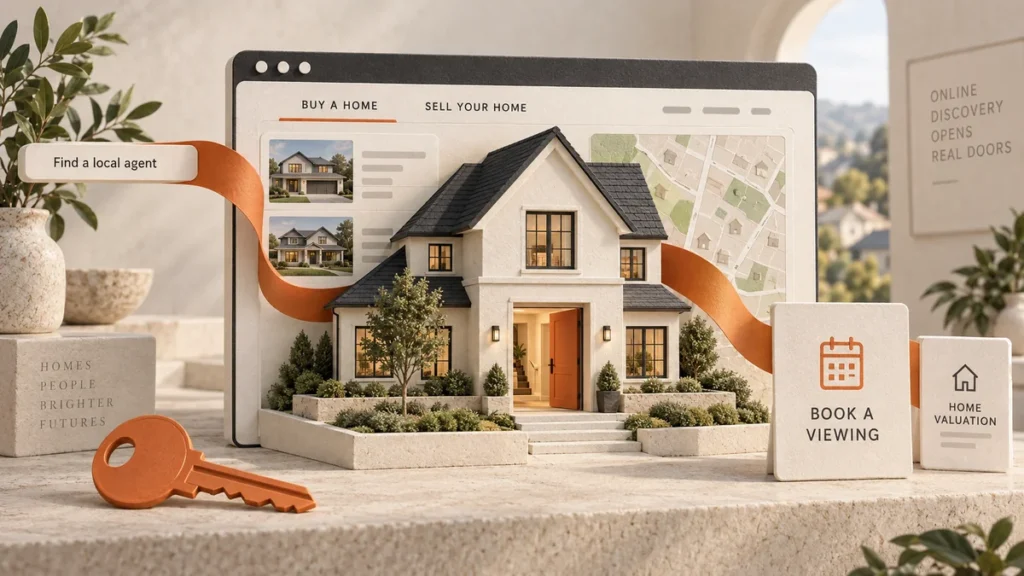
Your website is the hub where everything connects. Google Ads, social media, local SEO all drive traffic there. Unlike Zillow or Realtor.com, your website is yours. You control it completely.
Your website needs your background and credentials. Searchable listings. Neighborhood guides and market info. Easy contact options (phone, email, form). Client testimonials. Your services explained.
Fast loading times matter. Mobile-friendly is required. 65% of real estate searches happen on phones. Clear calls-to-action turn visitors into leads. Website speed and design directly impact whether someone contacts you.
How These Channels Work Together
The best real estate marketing uses everything at once. Local SEO builds long-term visibility. Google Ads generate immediate leads. Social media builds your brand. Email keeps you in touch. Your website converts everyone.
A buyer might find you through a Google search. Follow you on Instagram. Get your market update email. Finally contact you from your website. Each channel plays a role. Each channel matters.
Building Trust Before Clients Meet You
Real estate is high-stakes. Buyers worry about overpaying. Sellers worry about underselling. Both want an agent they trust.
Trust matters more in real estate than most industries. The buyer journey is long. People need to know you’re competent and that you actually care.
Show expertise through content. Market insights. Neighborhood knowledge. Advice for buyers and sellers. Get testimonials from past clients. Look professional everywhere. Respond fast to inquiries. All of this builds credibility.
Strategic Considerations for Real Estate Digital Marketing
Don’t try to do everything at once. Pick one channel and master it. Many agents start with local SEO (long-term equity) or Google Ads (immediate leads). Track what actually works. Which channel brings in the most leads. Which leads convert to clients. What’s your real cost per sale. This tells you where to invest more.
Market conditions matter. A competitive urban market needs a different strategy than a rural market. Your local competition. Your target clients. All of this shapes your approach. Are you targeting homebuyers, sellers, investors, luxury properties, or all of the above. Each segment searches differently. Each needs different marketing.
Common Questions About Real Estate Digital Marketing
How do real estate agents use social media effectively?
Post consistently (3-4 times weekly). Focus on visual content (home tours, neighborhoods). Build real relationships with followers. Use social as part of your entire strategy, not your only strategy.
Should real estate agents invest in Google Ads or local SEO?
Both work. Local SEO takes time but builds free long-term visibility. Google Ads generate leads fast but require budget. Most successful agents use both and adjust based on results.
How important are Google reviews for real estate rankings?
Very. Reviews impact rankings. More importantly, buyers and sellers read reviews before hiring you. Agents with 50+ recent reviews convert better than those with 5. Reviews matter for both ranking and trust.
What makes real estate digital marketing different from other industries?
Real estate is relationship-based. High-stakes decisions. Long buyer journeys. Trust and local expertise matter more. Your digital marketing has to build credibility and relationships, not just drive traffic.
Can real estate agents succeed with only social media?
No. Social media alone isn’t enough. It builds awareness but doesn’t capture active searchers. Most successful agents combine social with local SEO and Google Ads.
Getting Started With Digital Marketing
Start by auditing what you already have. Google Business Profile? Social media? Website that converts?
Choose your starting point. Many agents begin with Google Business Profile optimization (quick wins) or Google Ads (immediate leads) while building social media presence.
The key is consistency. This isn’t one-time work. Regular posts. Updated listings. Fresh content. Client follow-up. This keeps you visible and top-of-mind.